How Can We Help Neurodivergent
Children Manage their Emotions?
4 Weeks | 150 Hours | 2023
Skills | User Research, User Experience, Iteration, Ergonomics
Software | Solidworks, Keyshot, Adobe Suite
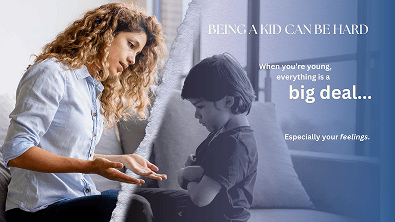
Emotions can overwhelm.
Even for adults.
Especially for kids.
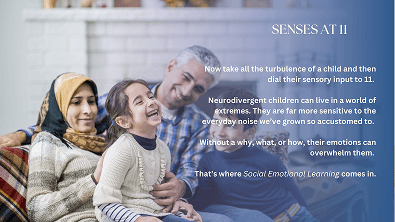
Neurodivergent children often face many obstacles that make learning emotional regulation challenging.
Executive Function Deficits

Executive Function Deficits
Impaired cognitive management. Manifests as difficulty with working memory, impulse control, emotional regulation, task initiation, and shifting attention between activities.
Interoceptive Hyposensitivity

Interoceptive Hyposensitivity
Reduced awareness of internal bodily sensations. Manifests as failing to recognize hunger, pain, or emotional escalation until physiological signals become extreme.
Delayed Processing Speed

Delayed Processing Speed
Slower intake, comprehension, and response to information. A neurological bottleneck in executing tasks or reacting to stimuli
Due Diligence
The sensitive topics of neurodivergency and designing for children meant a strong focus on research. Numerous medical and scientific journals were synthesised with the addition of SME interviews at a local child developmental clinic specializing in neurodivergent children.
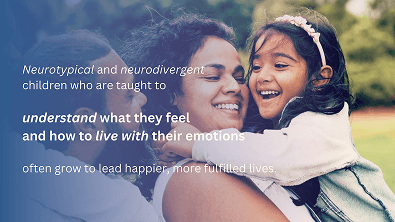
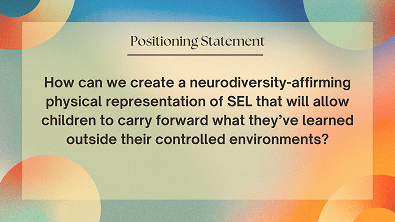
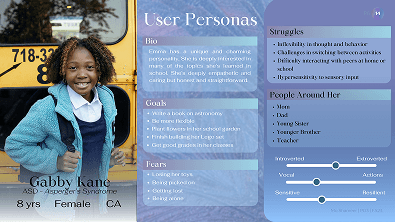
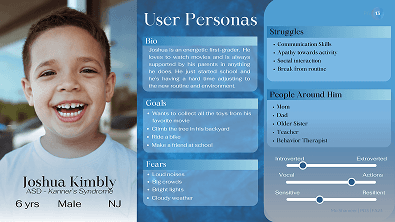
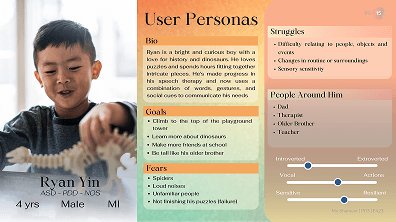
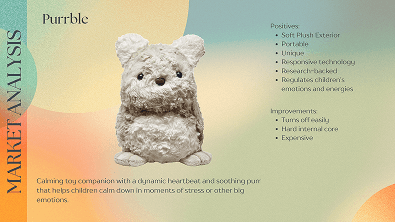
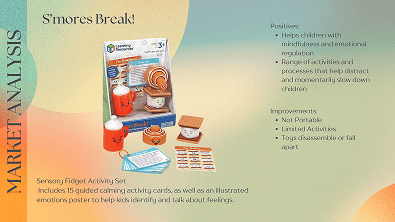
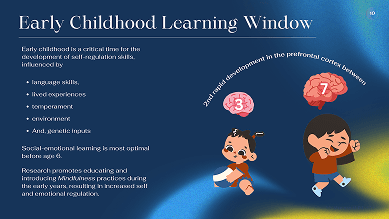
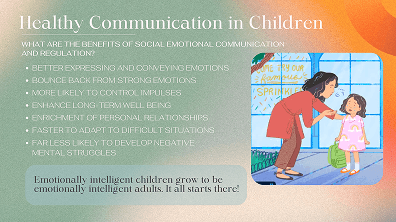
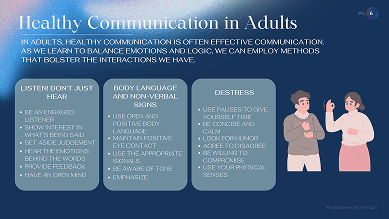
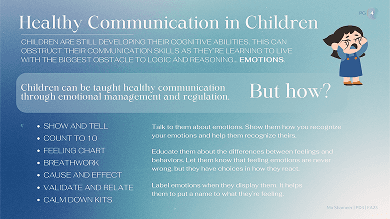
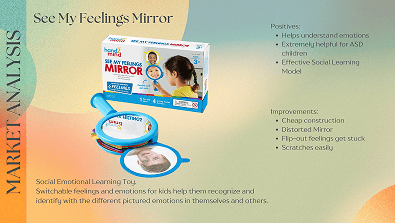
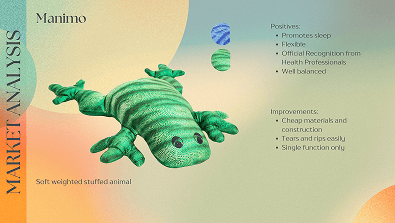
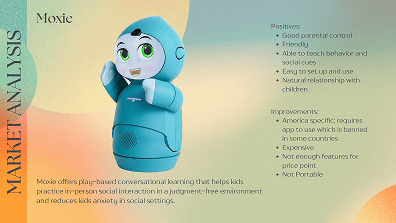
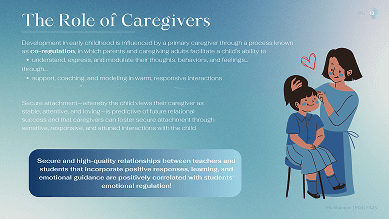
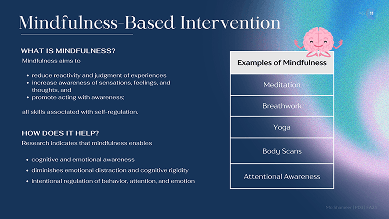
How Might We...
Anticipate
Utilize and externalize psychological warning signs
Redirect
Guide children through regulation exercises and skills
Connect
Provide a patient and safe space for children and parents
Stressed?
Take A Sec!
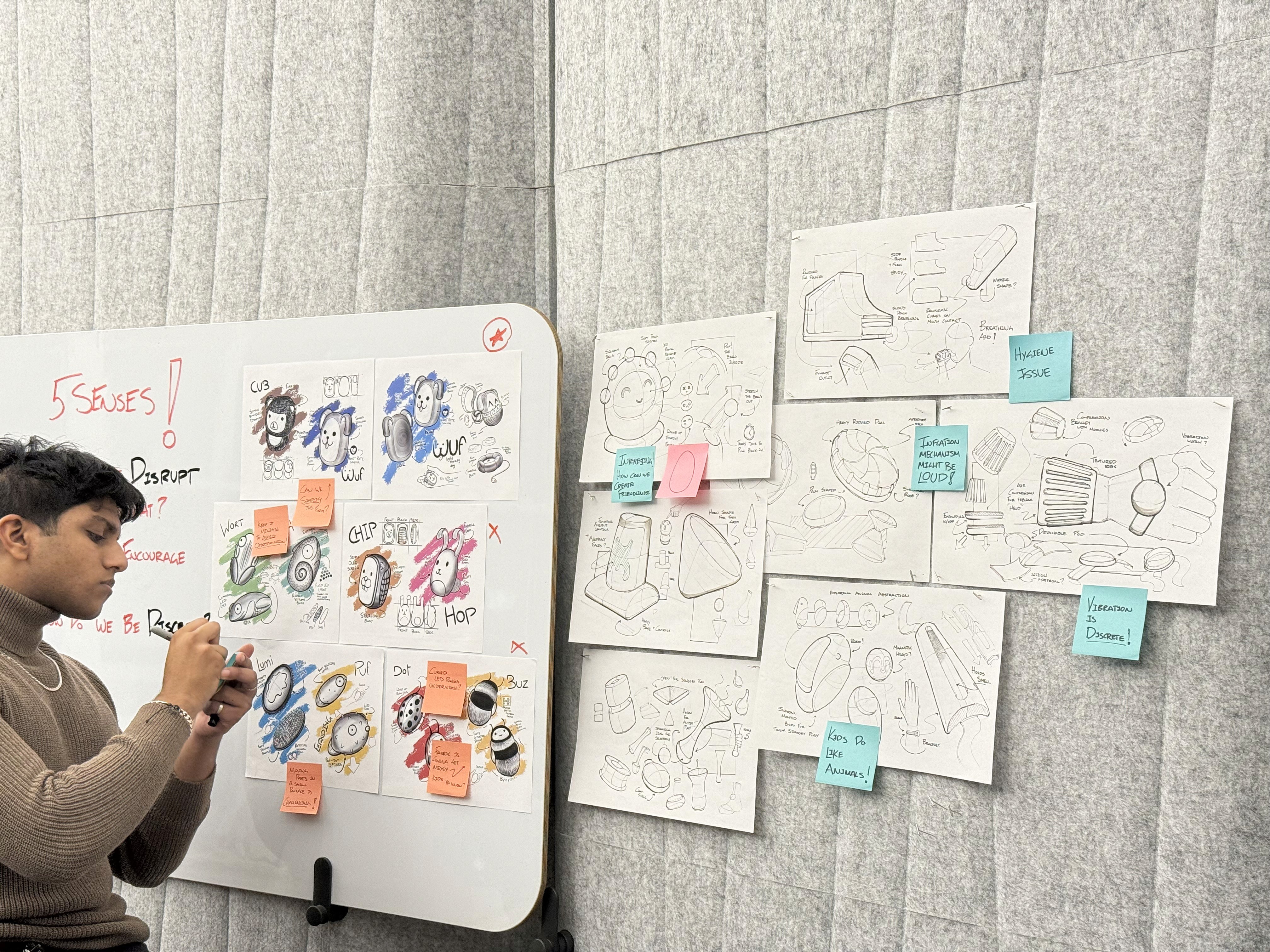
This ideation phase explored how a portable product can utilize distinct sensory modalities to interrupt emotional momentum. By capturing immediate attention, these concepts serve as a cognitive "brake," providing the distraction necessary for the user to step back and regulate.
Like a dog wagging it’s tail.
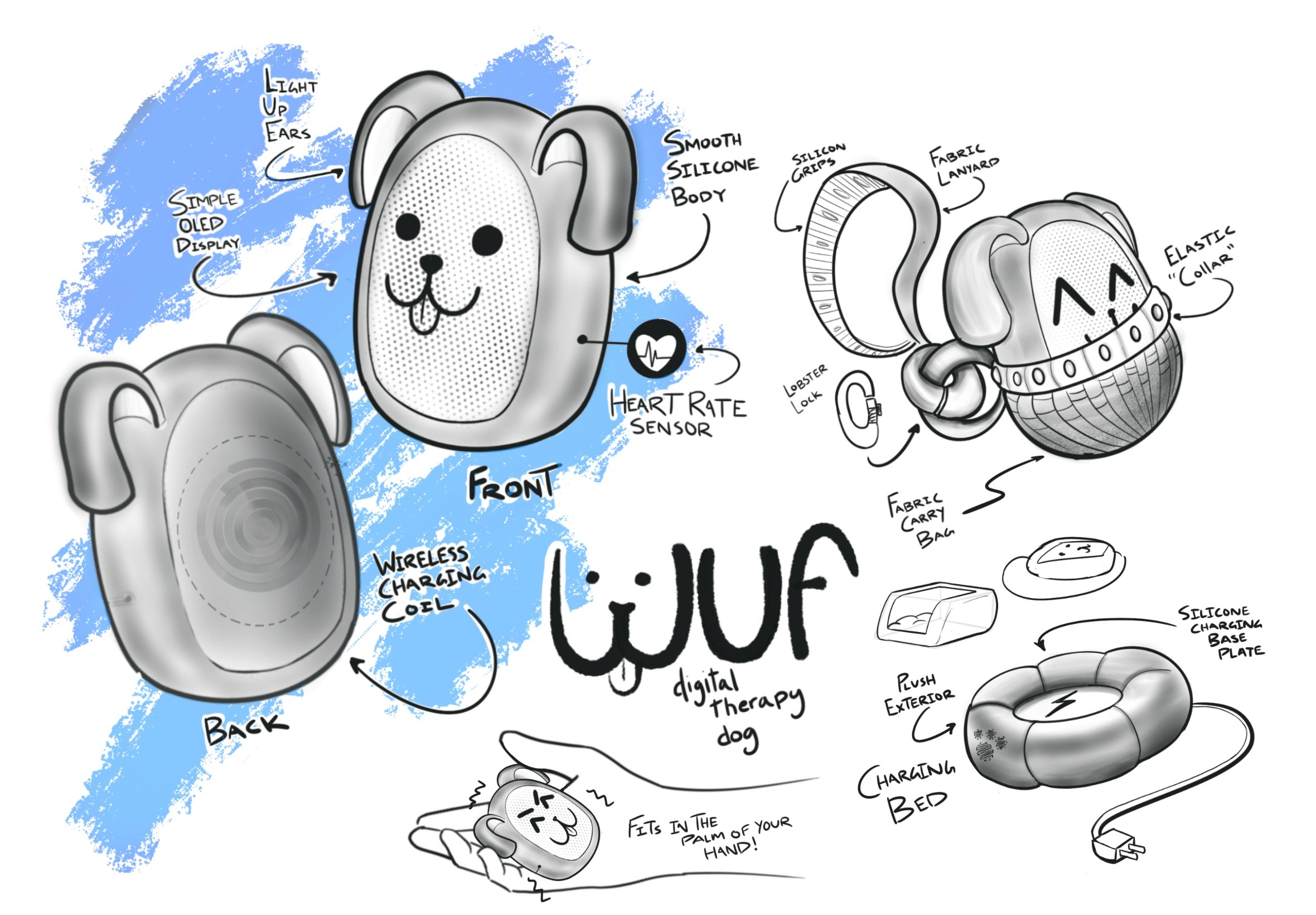
The final concept direction uses gentle, pulsing vibrations to guide breathing.
This offers an accessible and private way to calm down that doesn't require complex movements or dexterity.
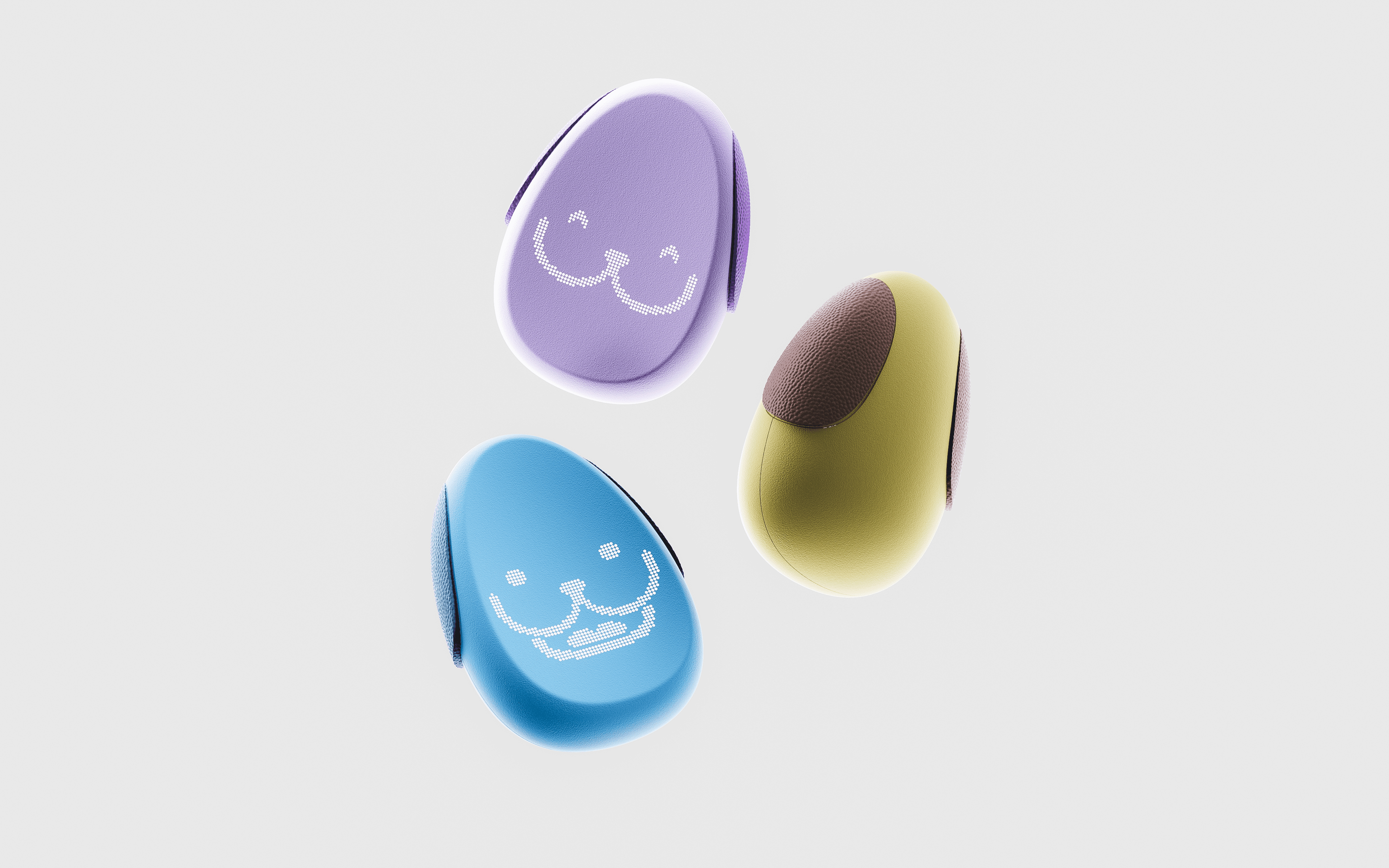
We chose a dog shape to make the technology feel friendly, turning the device into a comforting companion for the child rather than just a functional tool.
User Testing
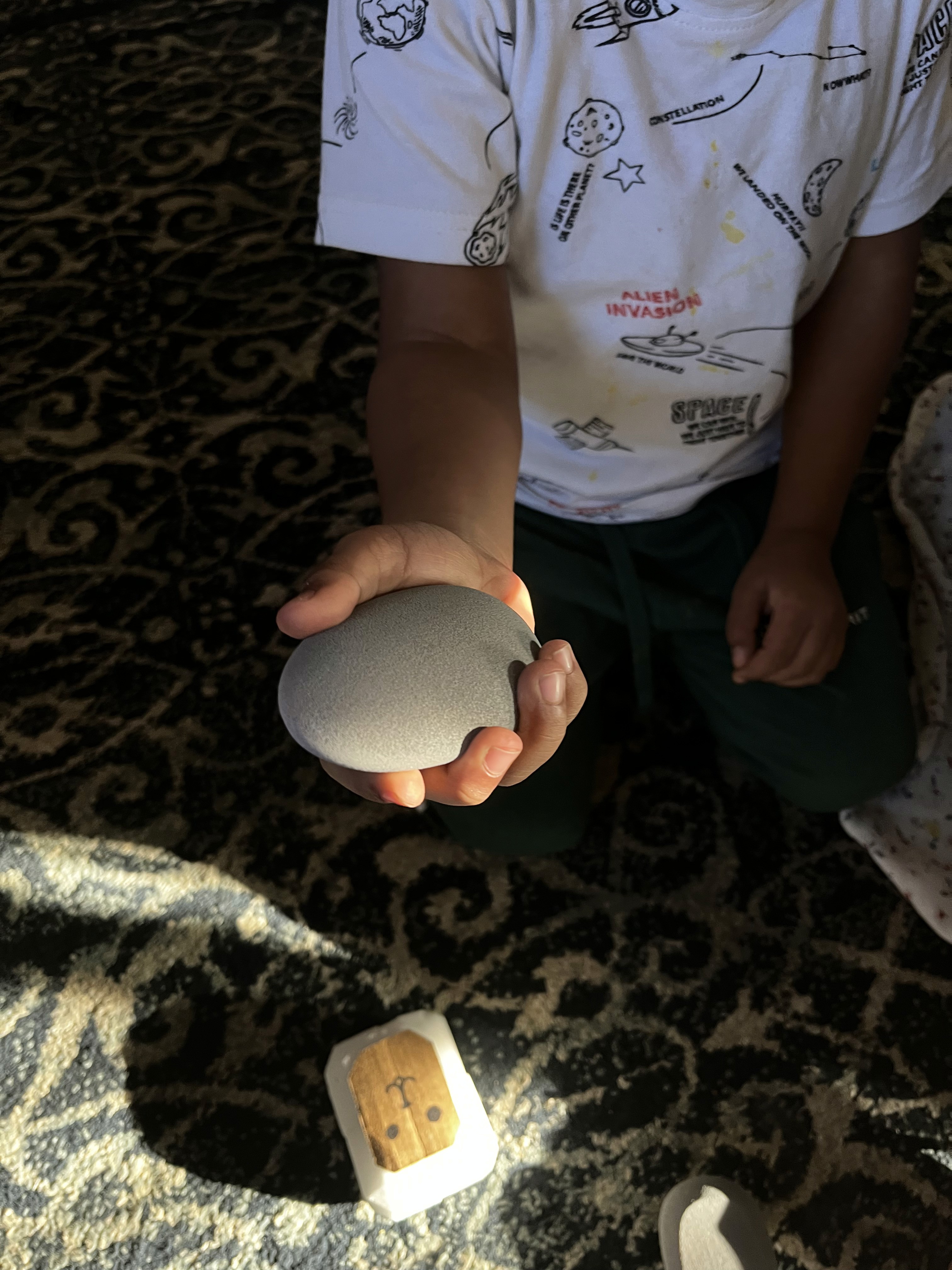
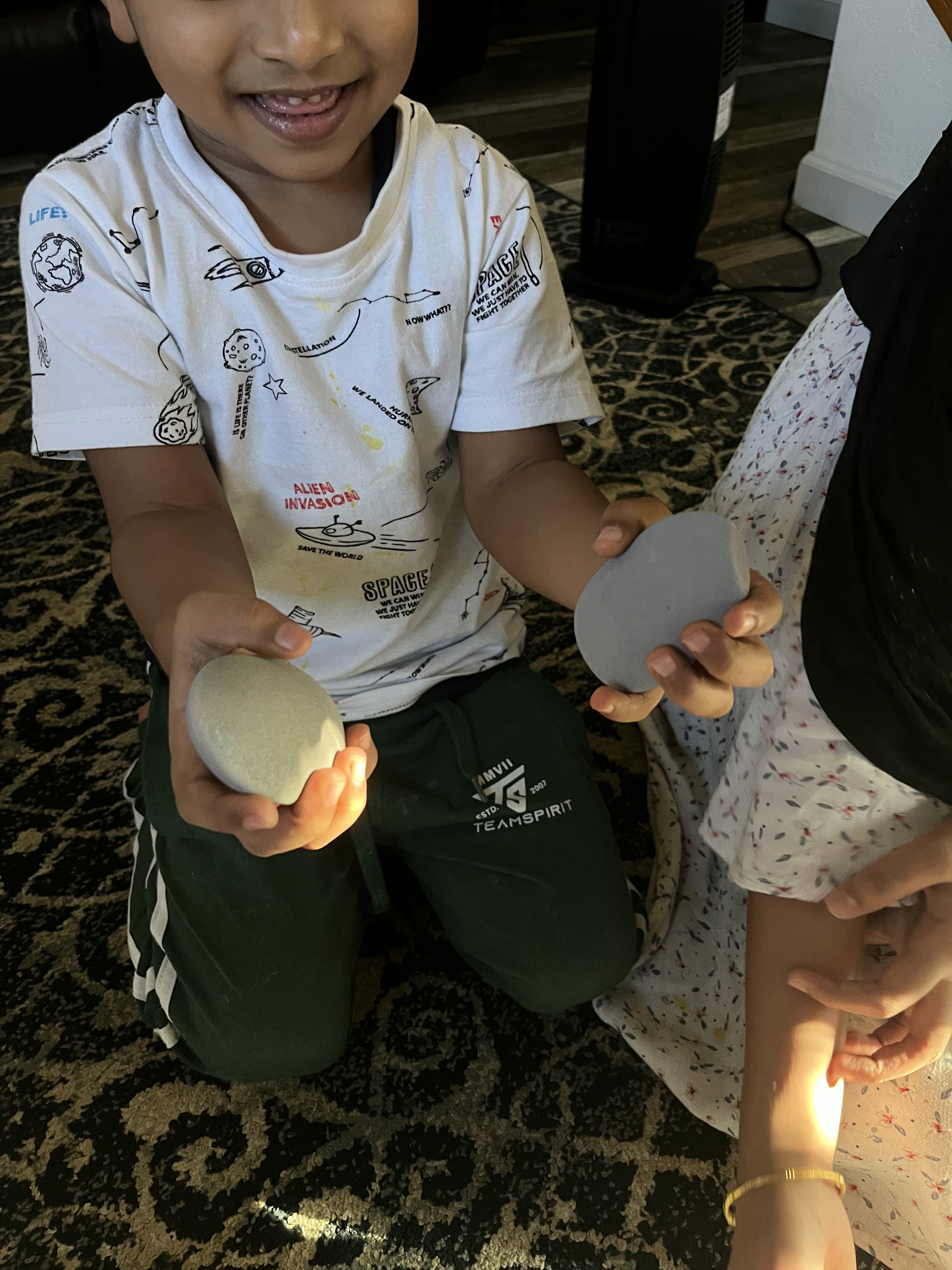
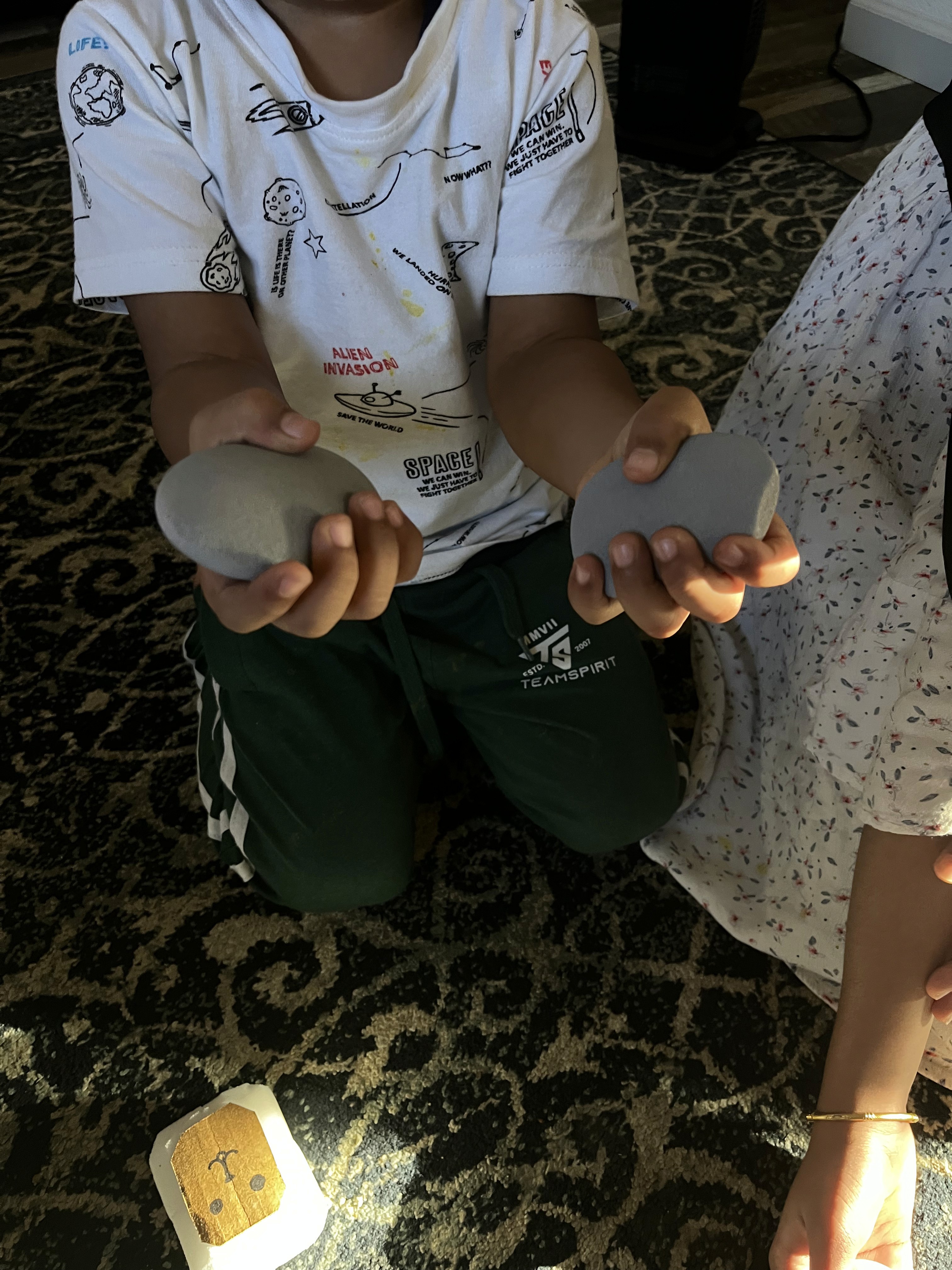
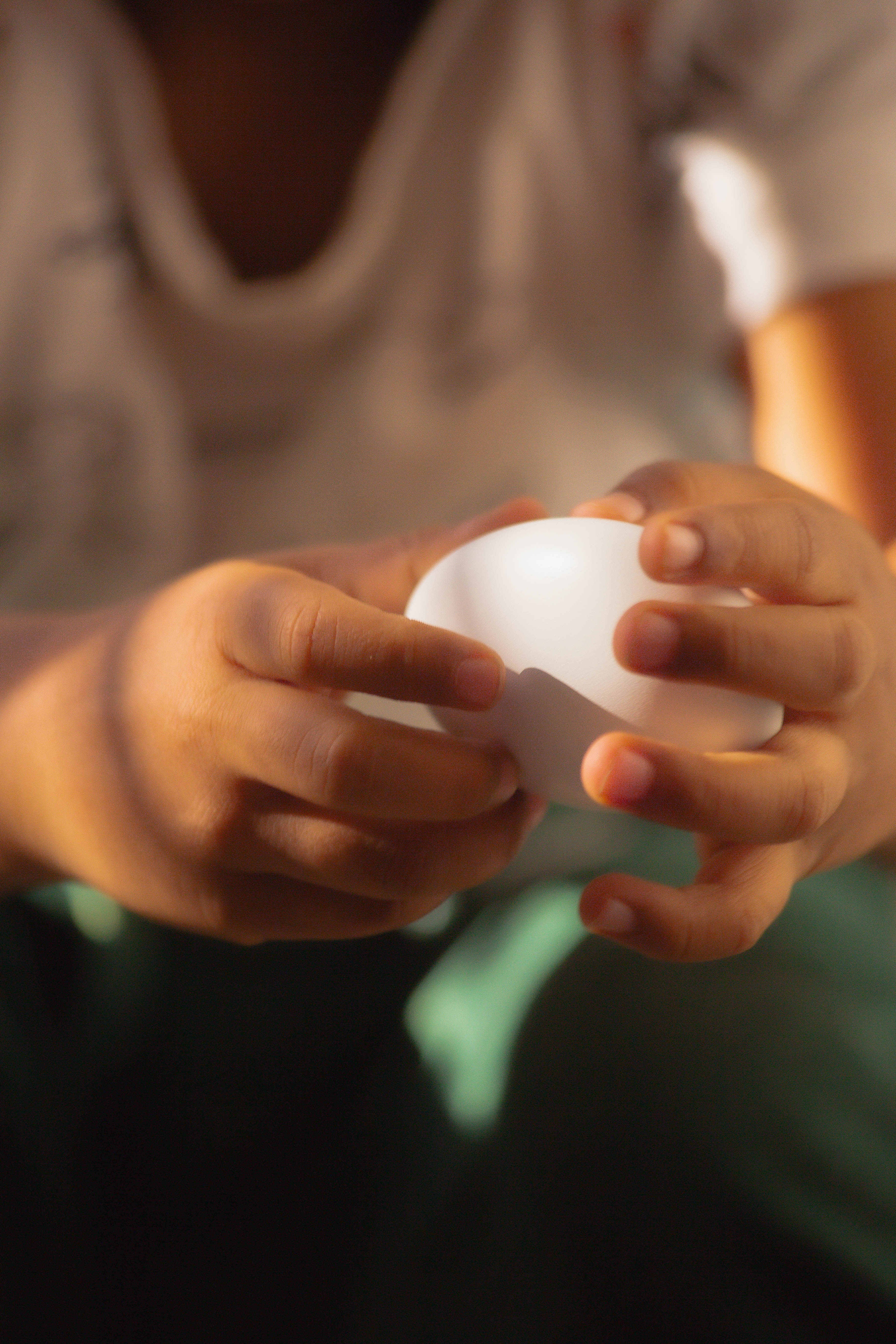
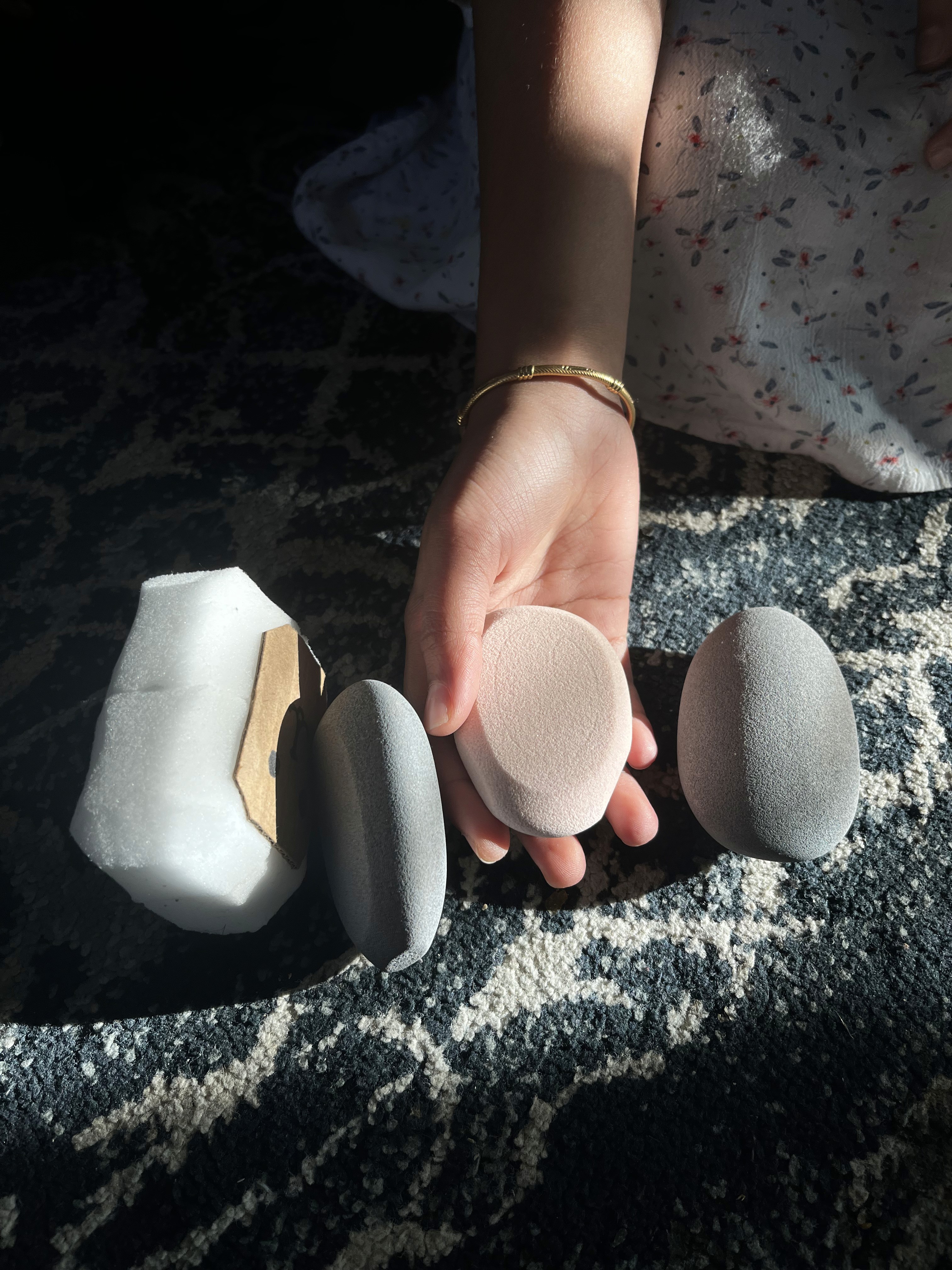
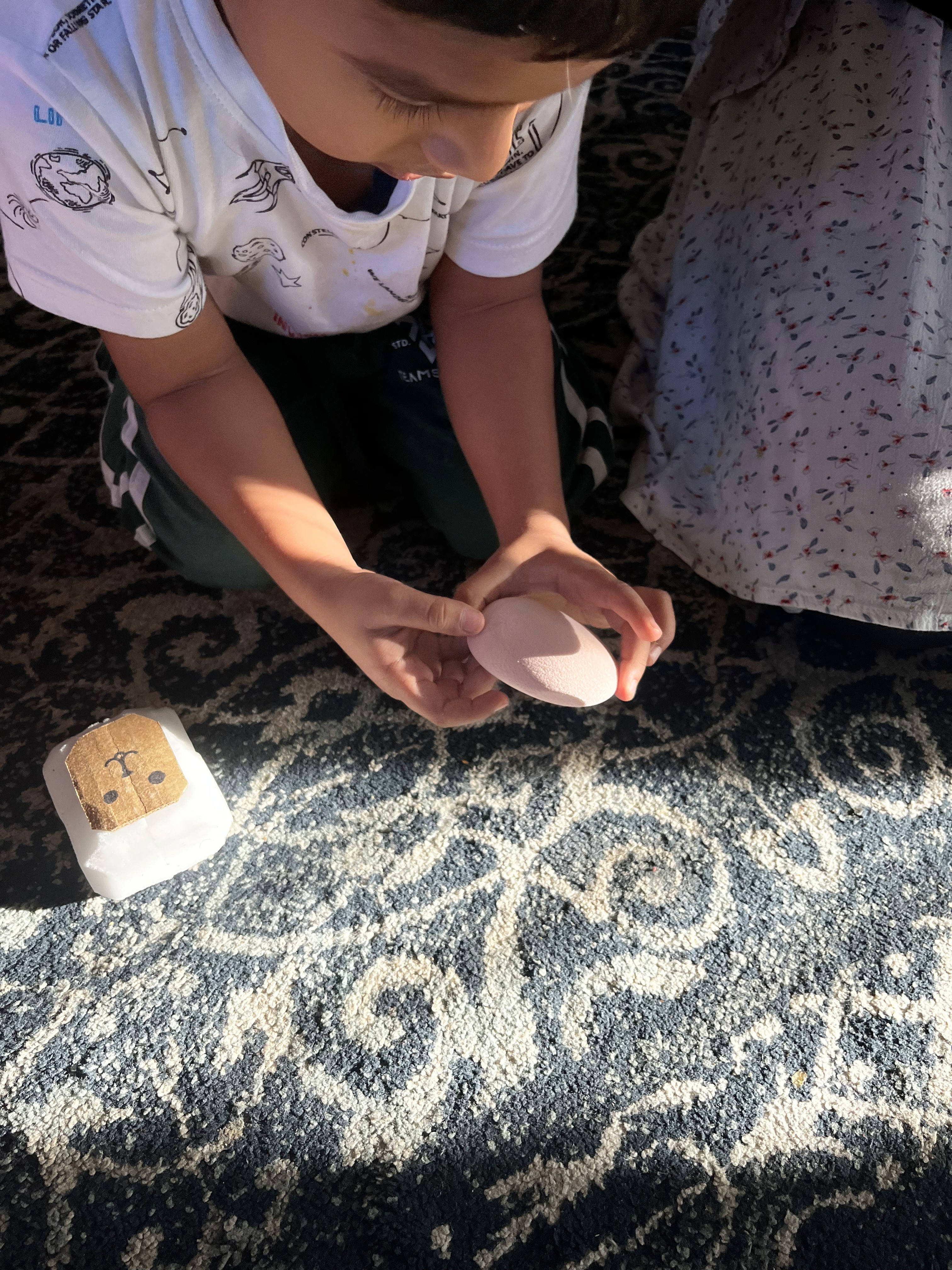
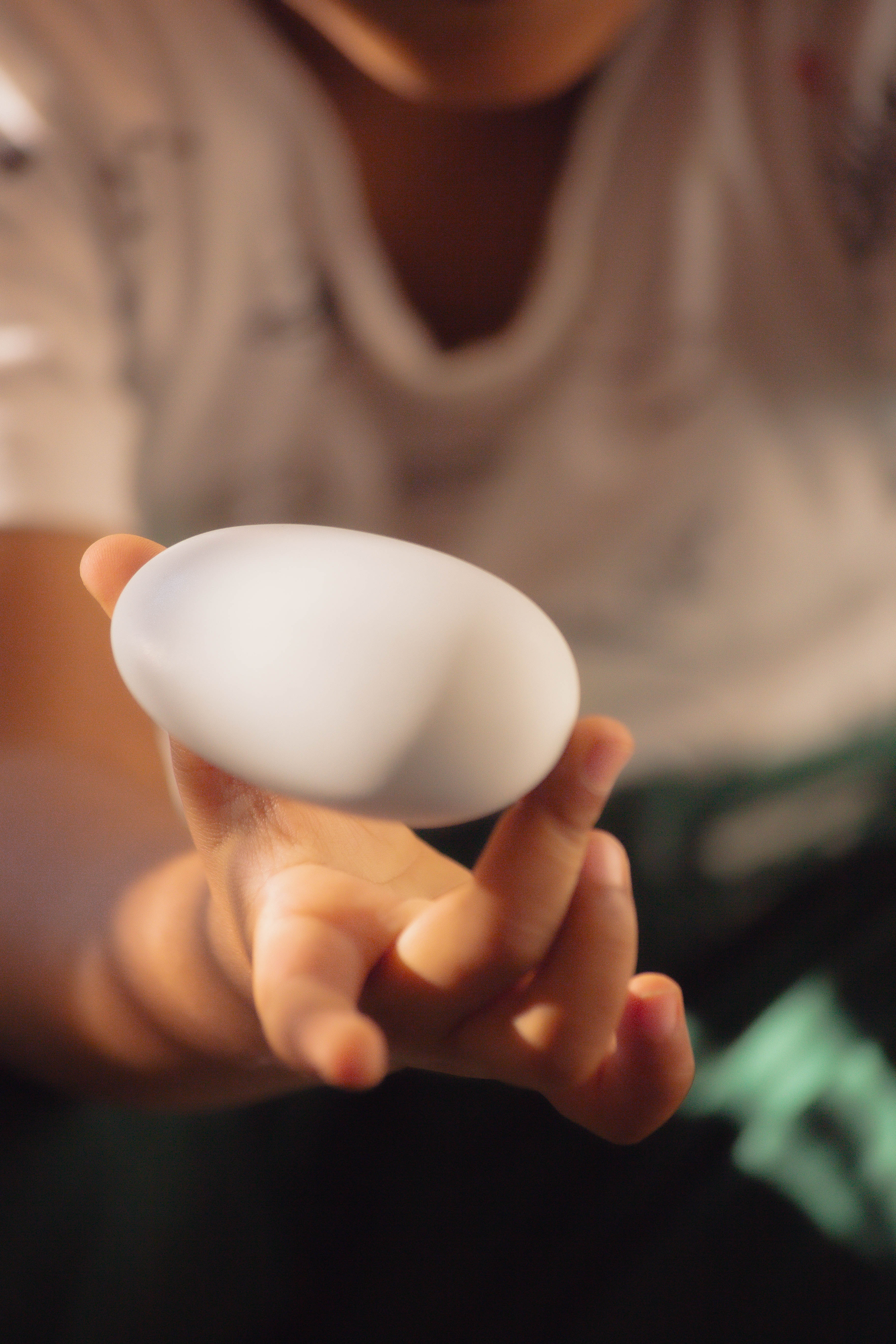
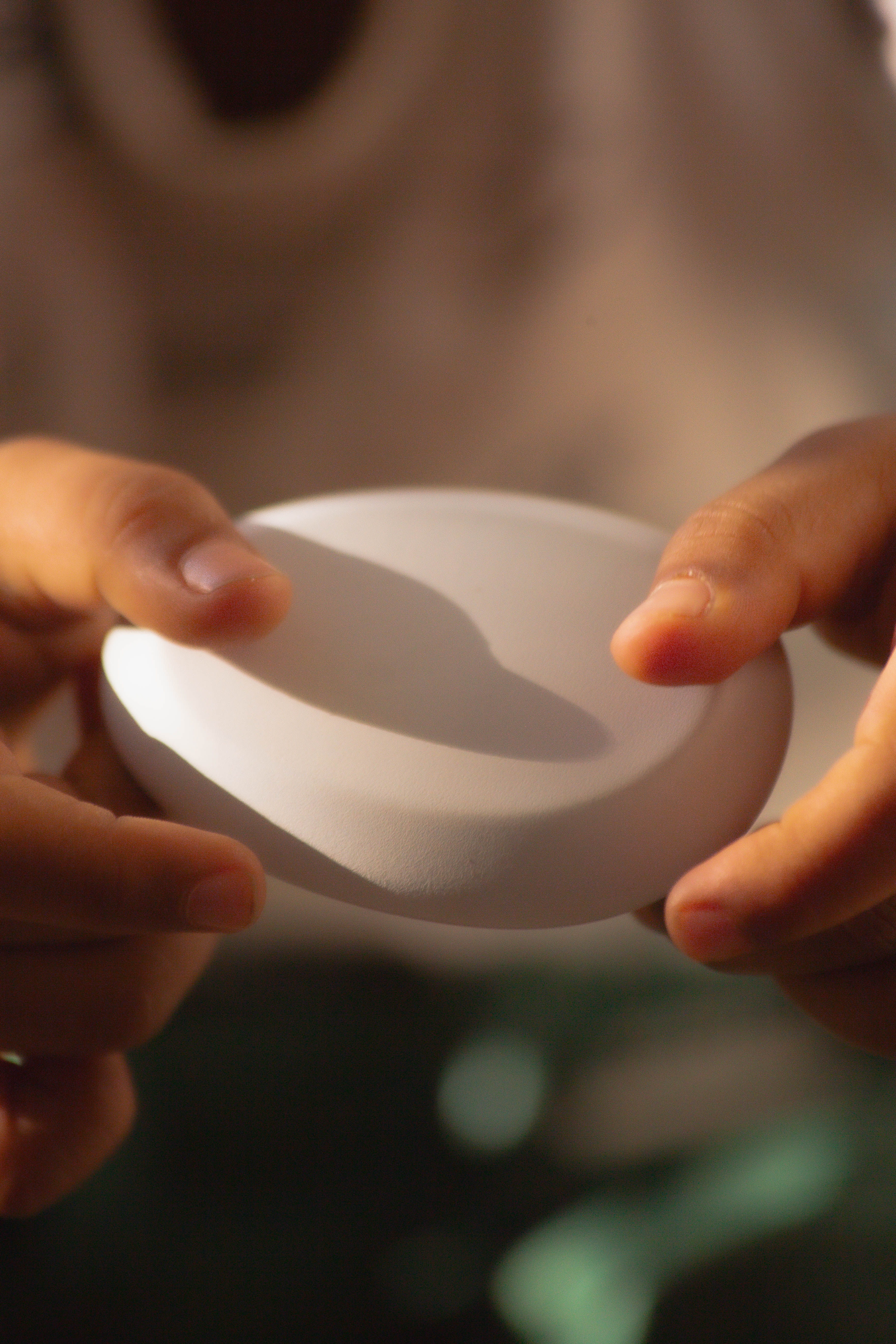
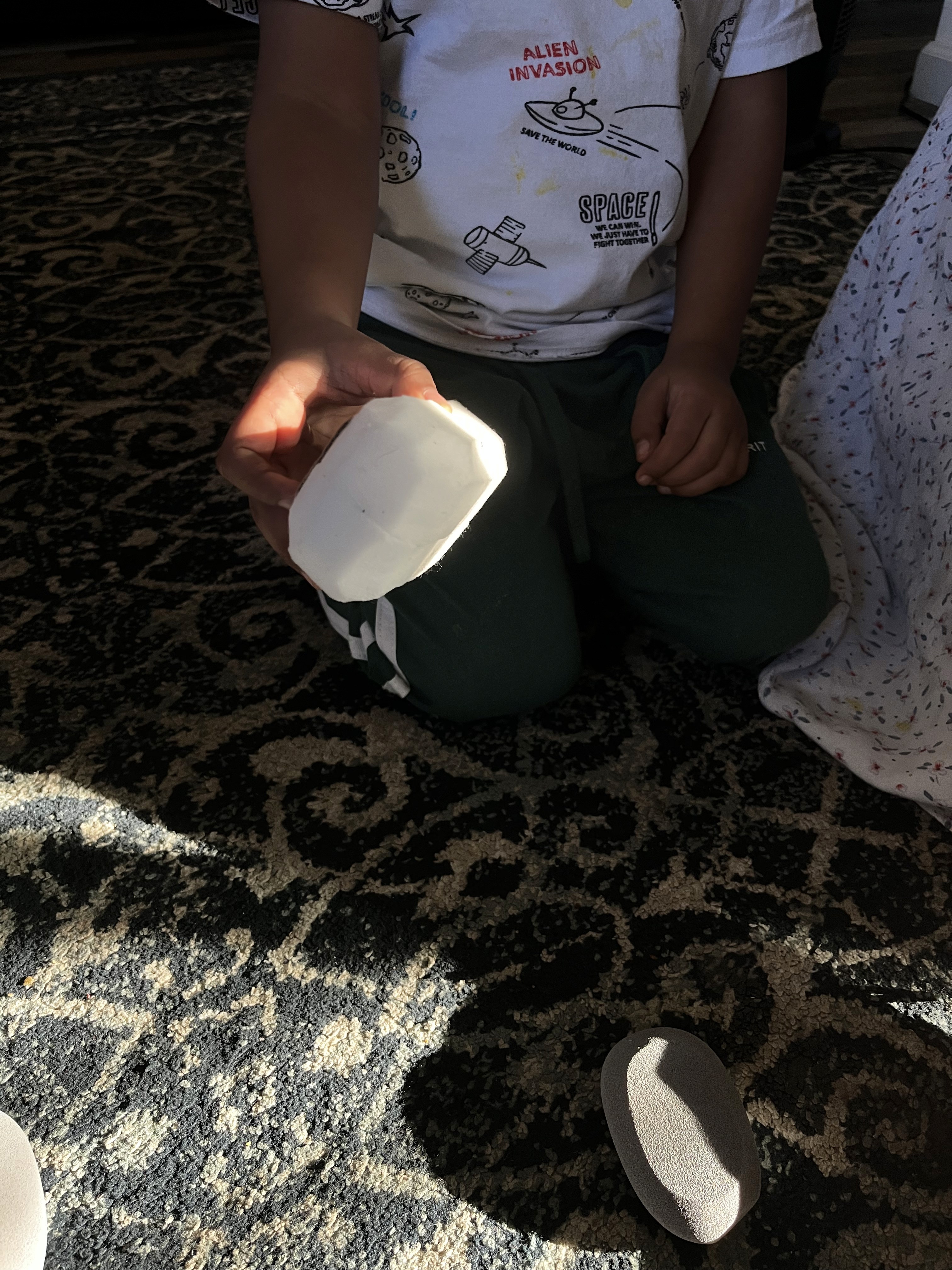
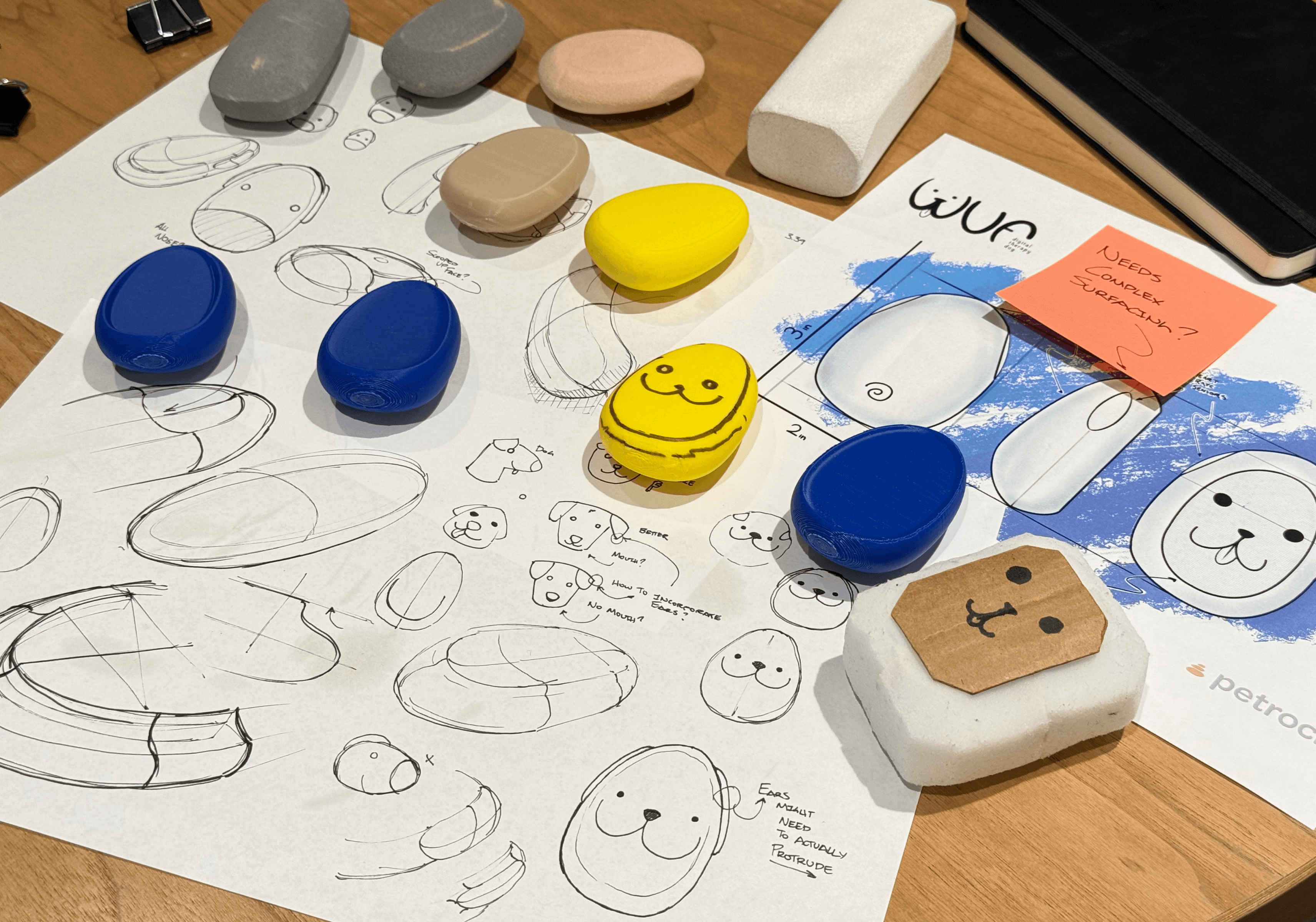
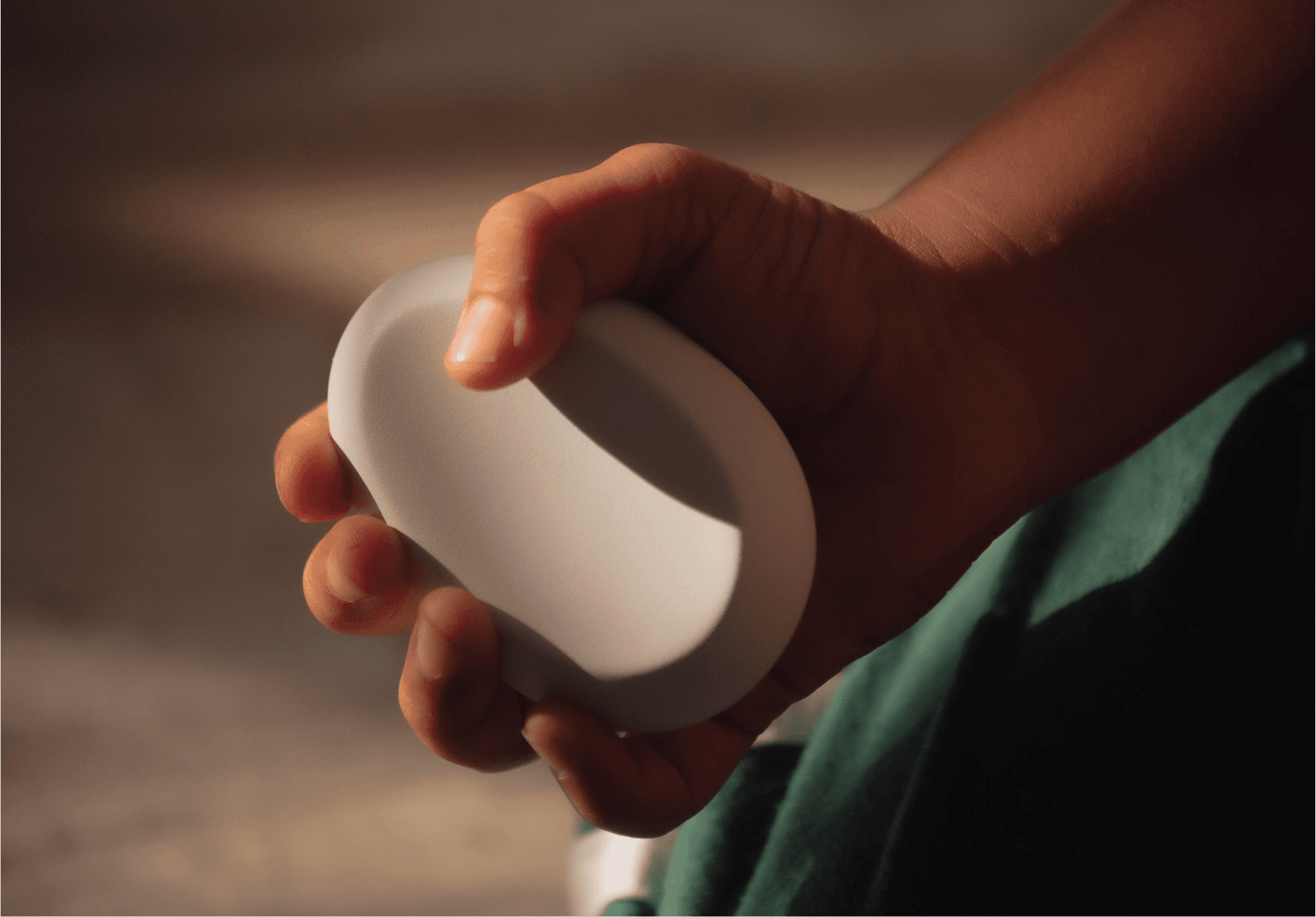
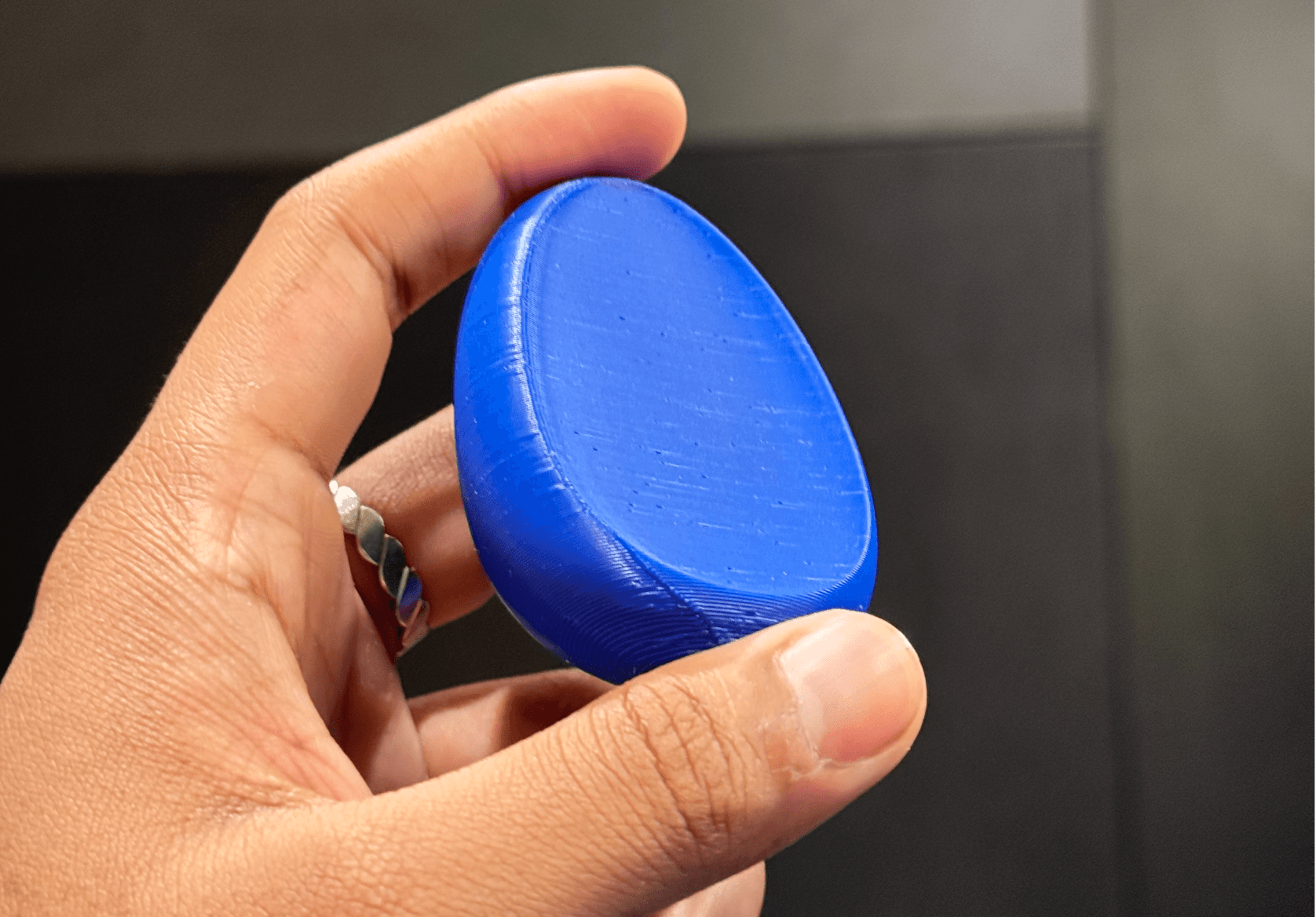
Form exploration began with low-fidelity foam models focused on ergonomics. Testing these with children (ages 2-7) identified the shapes that were easiest to grip and most intuitively preferred.
Haptics Test +
Form Iteration
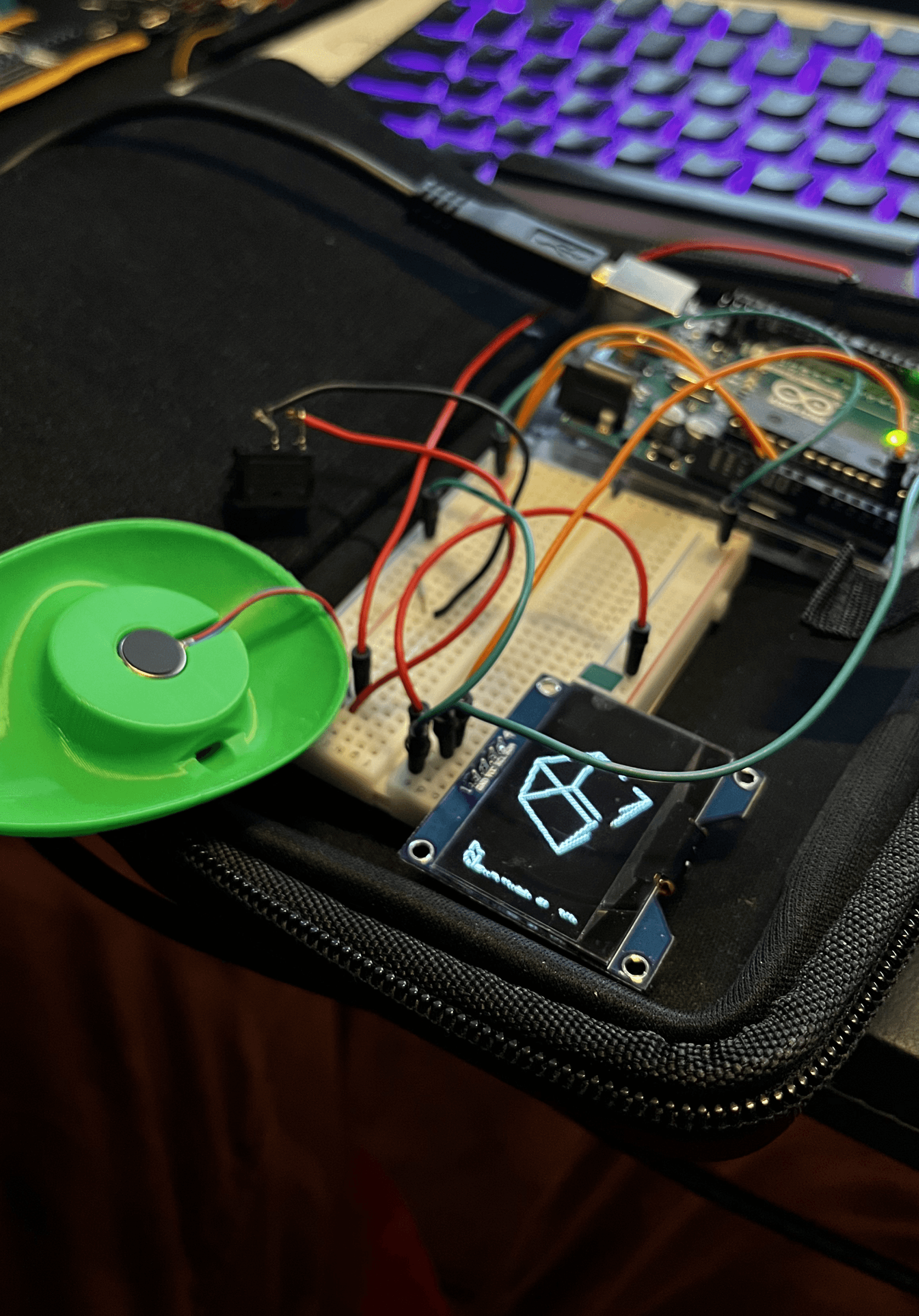
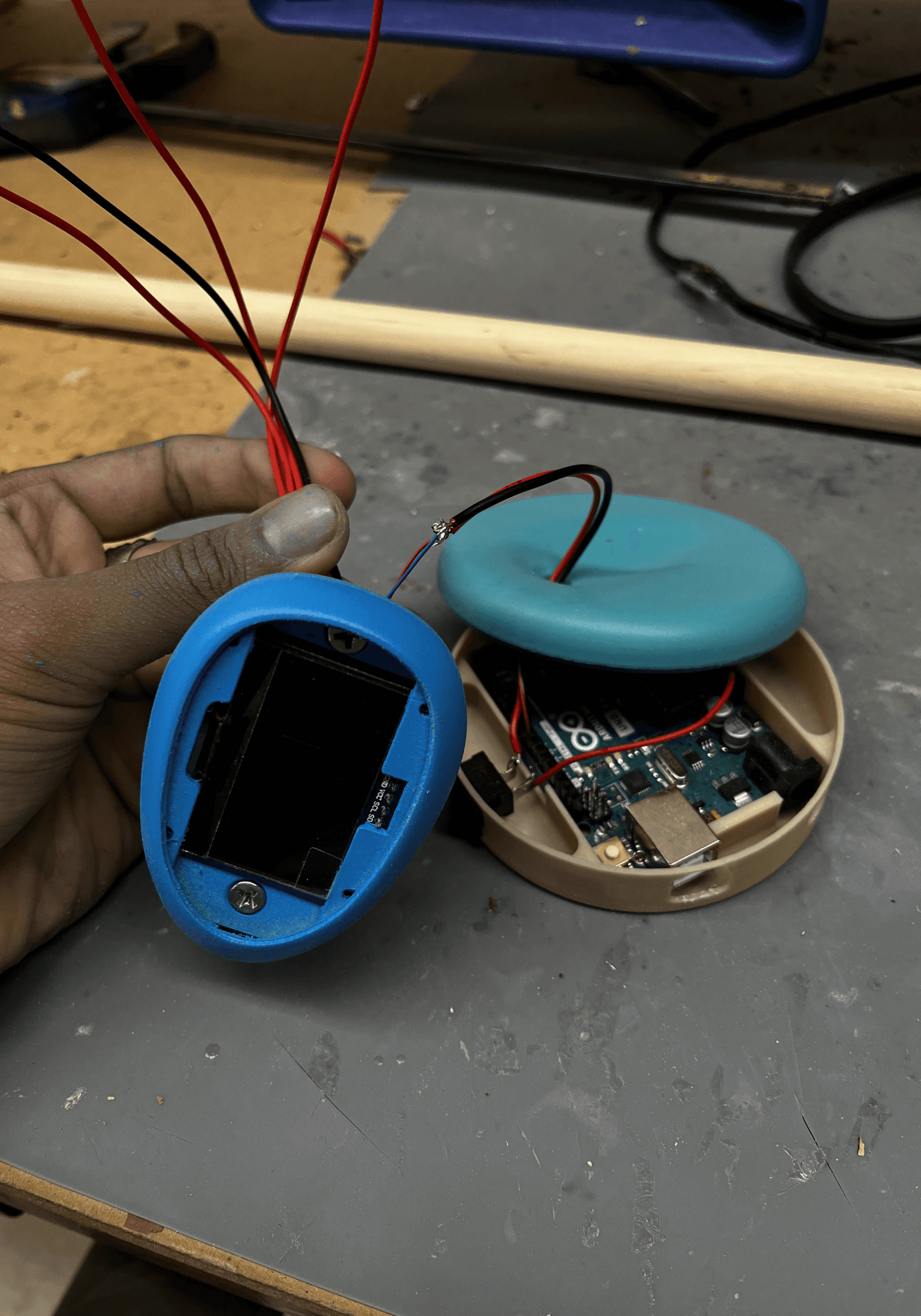
Alongside form iteration, I gave myself a crash course in electrical engineering and coding to mock up a tech demo with a vibration motor and a simple LCD screen.
Proof of Concept
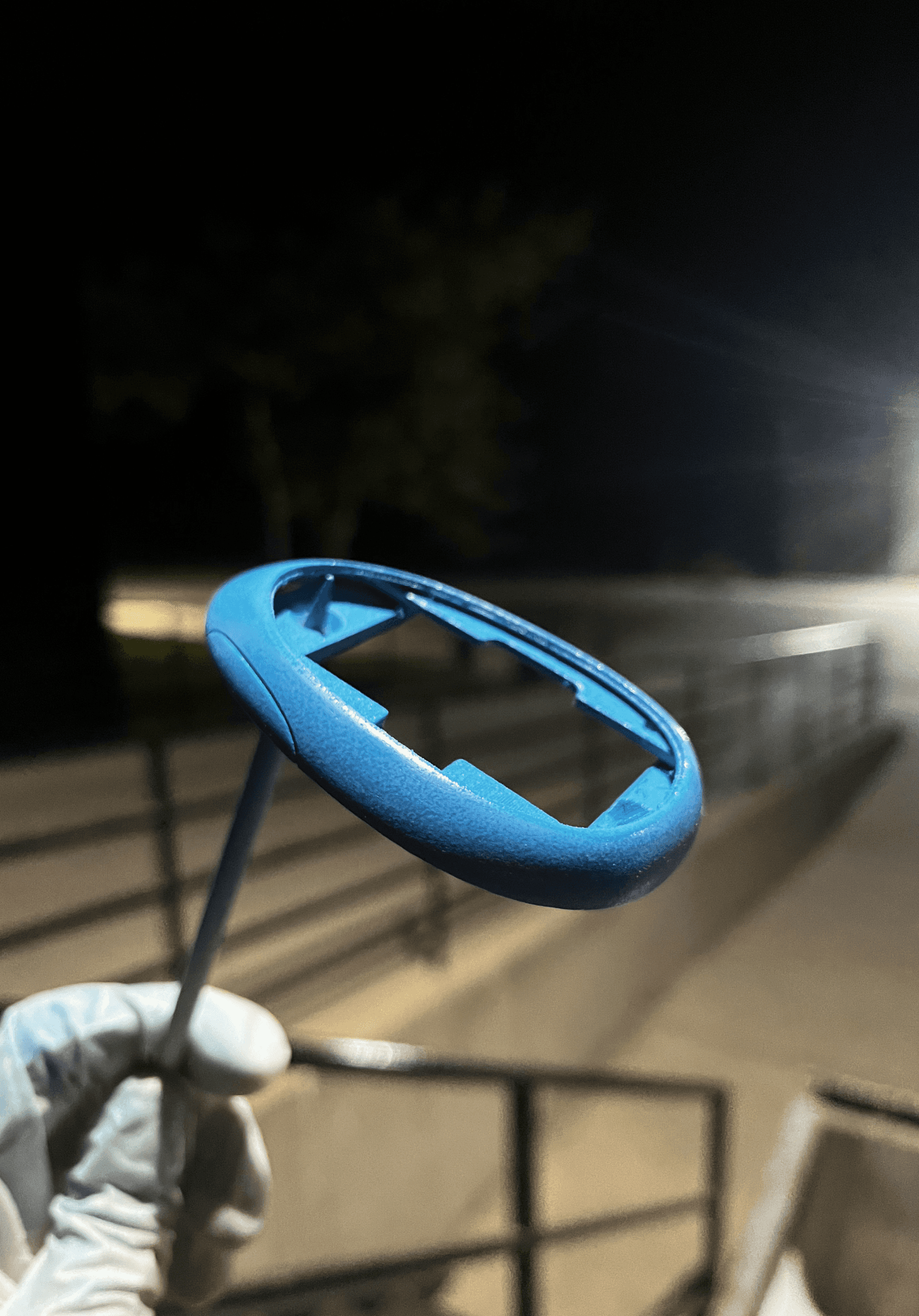
With my solution being so tech heavy, I wanted to go further than just an appearance model. This model was impactful.
It was the right amount of tactile feedback and function that brought the whole concept alive!
Following
Smiles
The user testing revealed that children gravitated towards a smoother pebble form.
I also noticed them instinctively rub the “face” of the form which indicated a need for both tactile materiality as well as an engaging range of surfaces/textures.
These insights directed the final form iterations.

1. Dysregulation
It all starts when the child becomes emotionally disregulated.
As most children do, they will either cry, scream, breath heavily or do it all at once.
Neurodivergent children also engage in “stimming”, a term refering to repetitive movements and sounds.
Motor Stimming: Repetitive physical movements (e.g., hand-flapping, rocking, pacing).
Vocal Stimming: Repetitive sounds, humming, or repeating phrases (echolalia).

2. Activation
WUF will hear the sounds and feel the movements of dysregulation and automatically wake up.

3. Distraction
WUF will begin to vibrate to capture the child’s attention and to guide them towards itself. It’s face also displays a small barking animation as an additional way to direct engagement.

4. Engagement
Once the child actually holds WUF in their hands or is applying consistent pressure, WUF will begin to vibrate in controlled therapeutic breathing patterns,
It’s animated face cycles through a breathing animation, visually engaging the child while also guiding when to inhale and exhale.
The combination of vibrations, visual cues, and soothing textures help the child to sync their breathing and give them something else to focus on.

5. Regulation
Before you know it, your child’s sour mood has shifted! Once WUF has confirmed the child is stable, it’ll turn off automatically, ready for the next time it needs to wag it’s tail!
Takes a Pet with No Problem.
Users were observed to instinctively rub their thumb across the face of the pebble form.
WUF’s face is slightly concave, designed to accommodate and extenuate this subconscious action.
It’s WUF’s version of being pet!
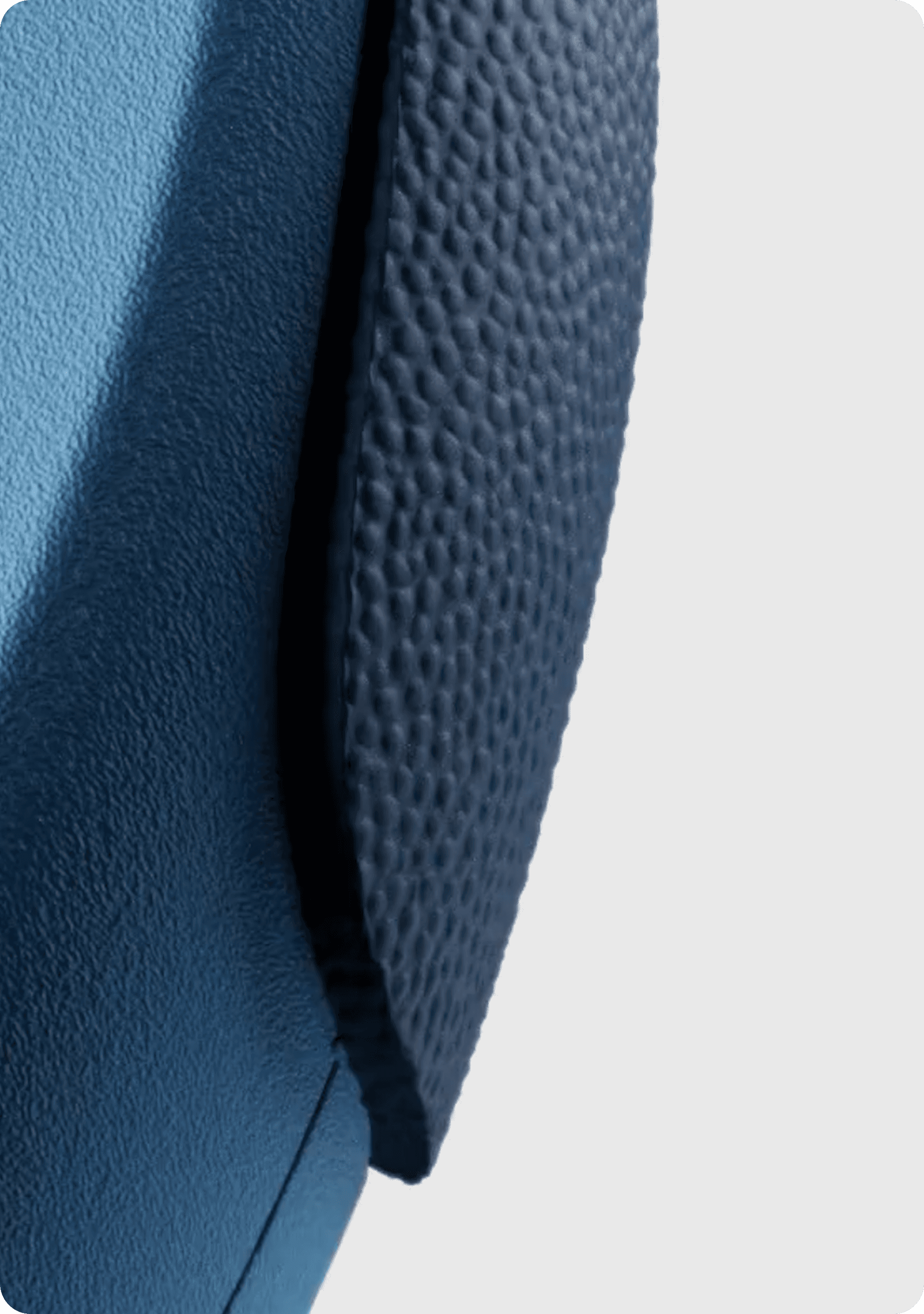
WUF’s ears are purposefully sharper than the rest of it’s form language.
Paired with a full silicon construction and stippled surface texture, it adds a contrasting tactile experience for users that need it.
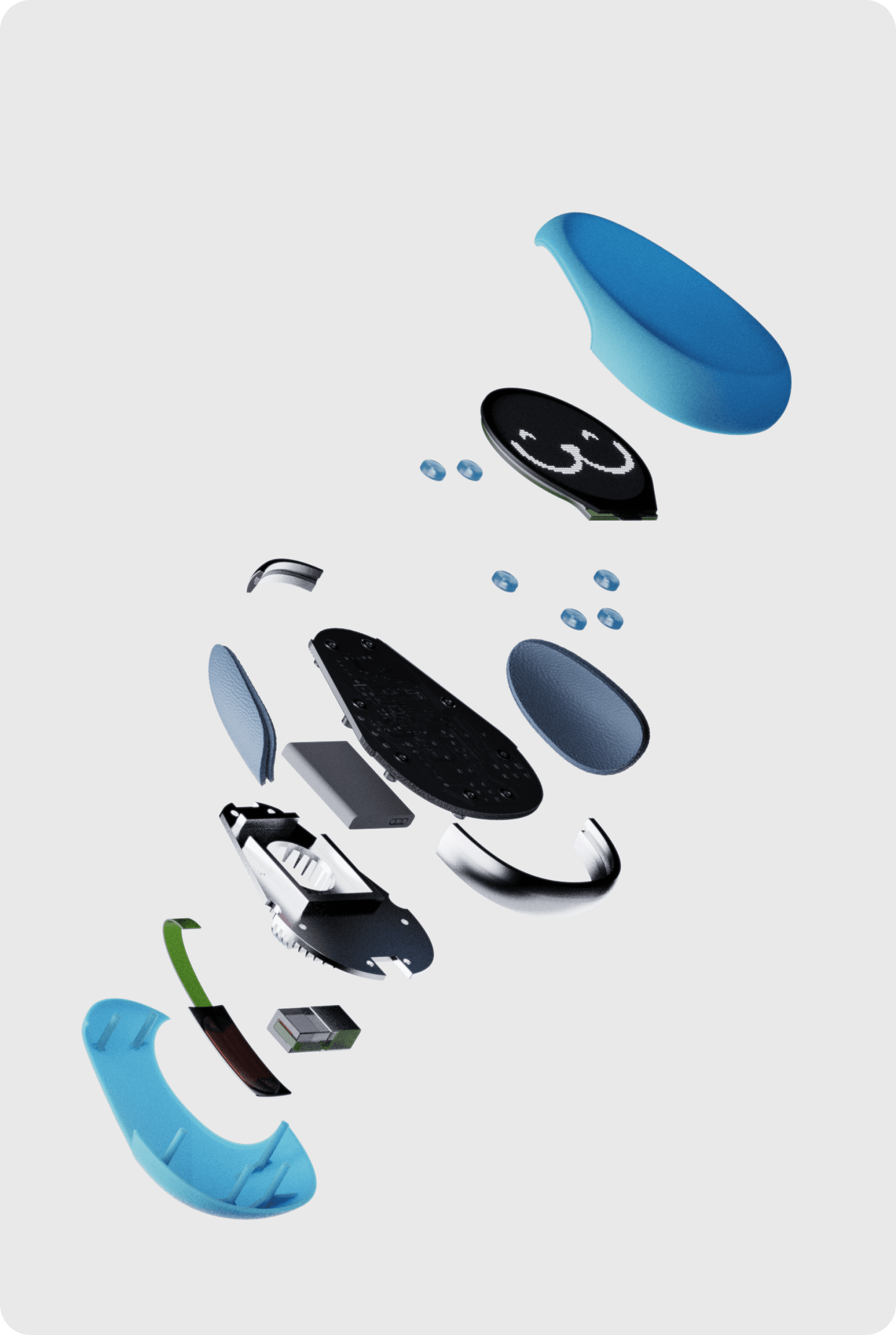
Construction consists of overmolding silicon on top of an ABS shell for the main body, and injection molded silicon for the ears.
It uses a top down assembly approach by slotting various components though a set of pegs attached to the main shall, reinformed by aluminum frames that rest atop grooves that are a part of the main shell mold.
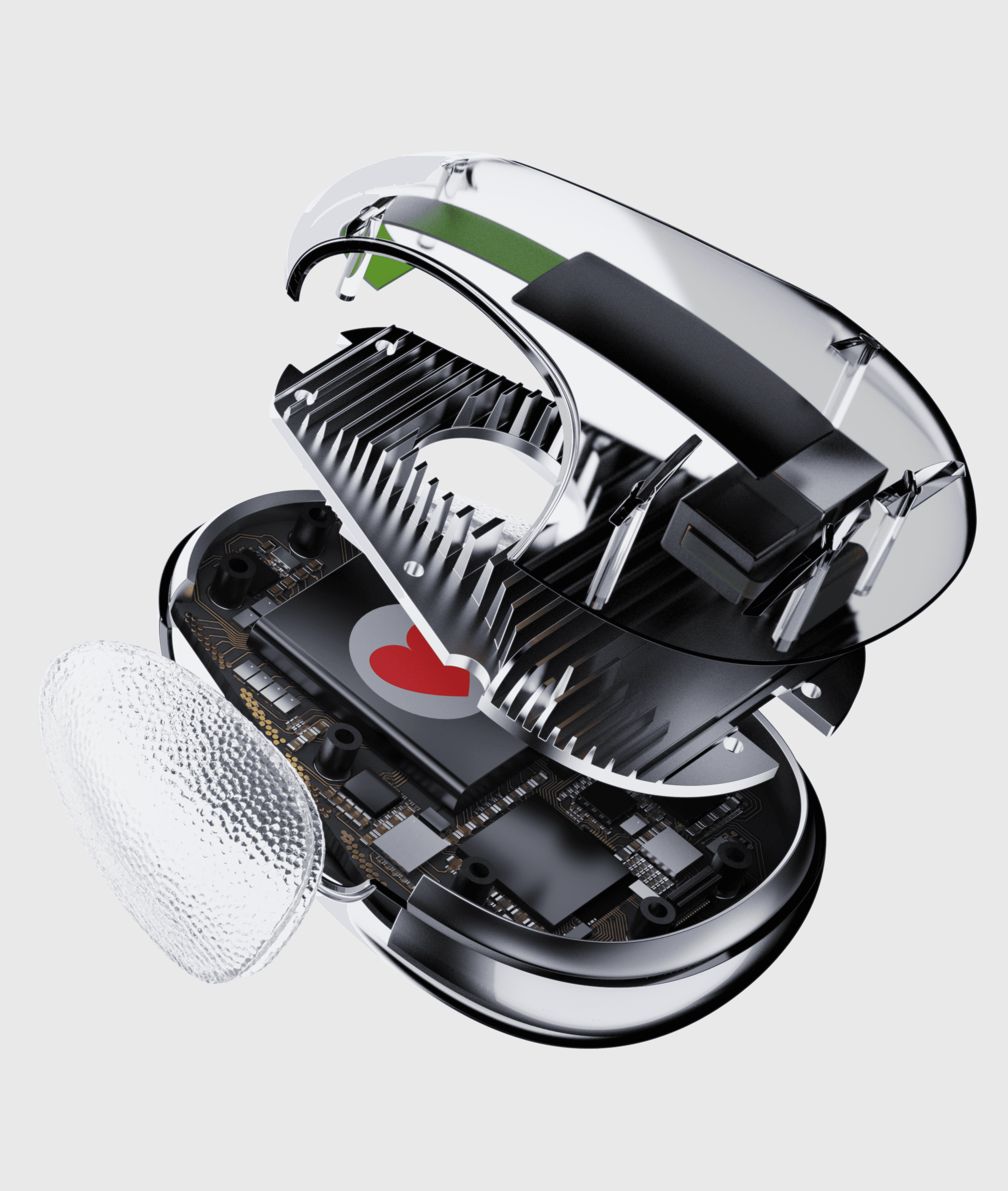
Simple on
the Outside,
Anything But
on the Inside.
WUF is equipped to recognize specific audio cues through an MEMS mic and movement patterns through an accelerometer and gyroscope.
An aluminum heat sink addresses possible overheating and adds a slight weight to the product, making it feel more premium and adding to it’s presence.
Ethical, Private AI
WUF recognizes dysregulation through an AI model running on a carefully curated and ethically sourced training data set of audio clips and movement data.
By emphasizing a lightweight AI model, WUF runs entirely offline.
Check out the link below for an example of how audio and speech data sets can be utilized to understand emotion and psychology.
Speech Data - Hume AI | Hume AI
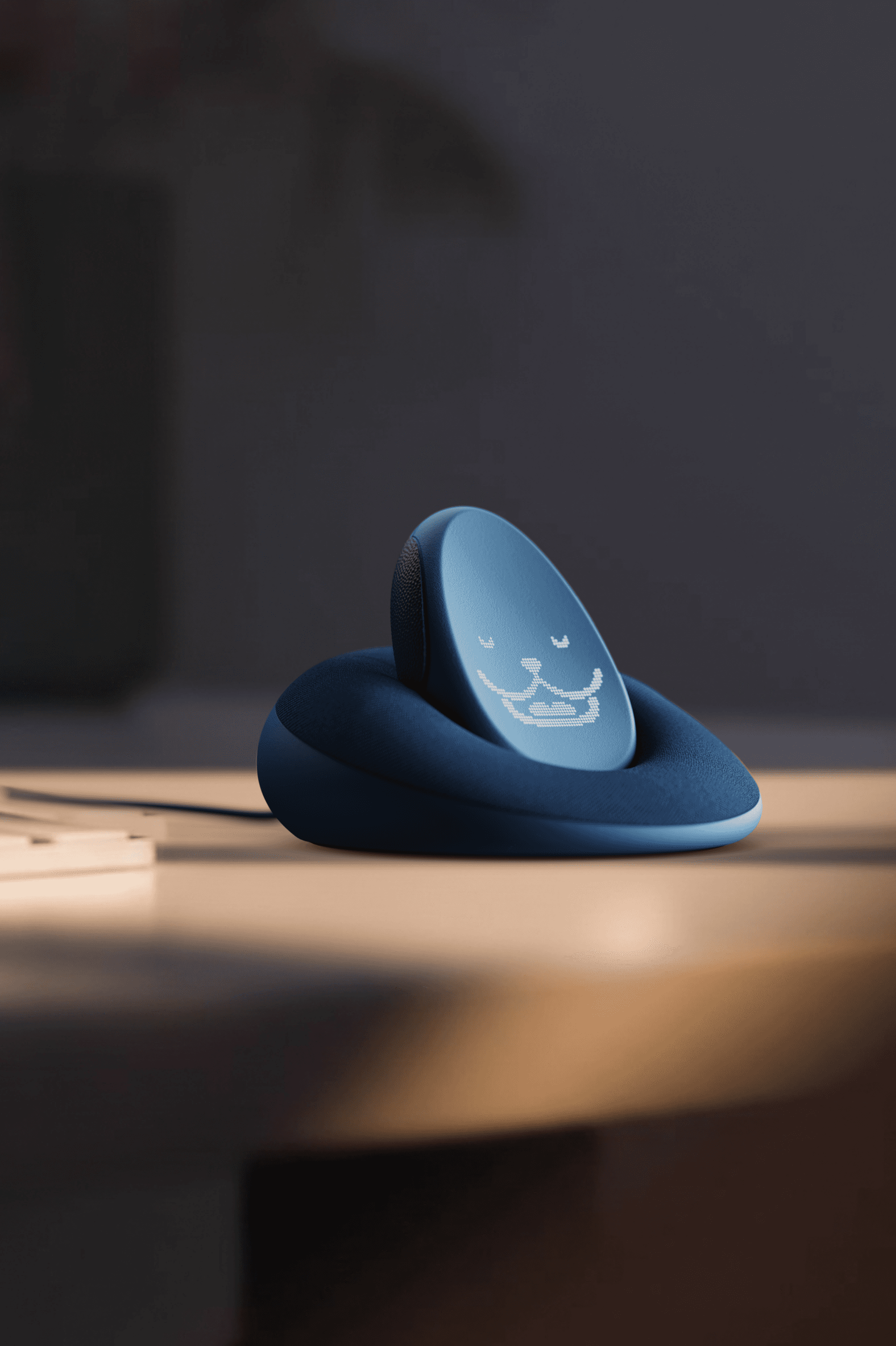
The charging base maintains the smooth, pebble form language of WUF but incorporates a fabric covering outside the silicon charging points to instill a sense of coziness and home.
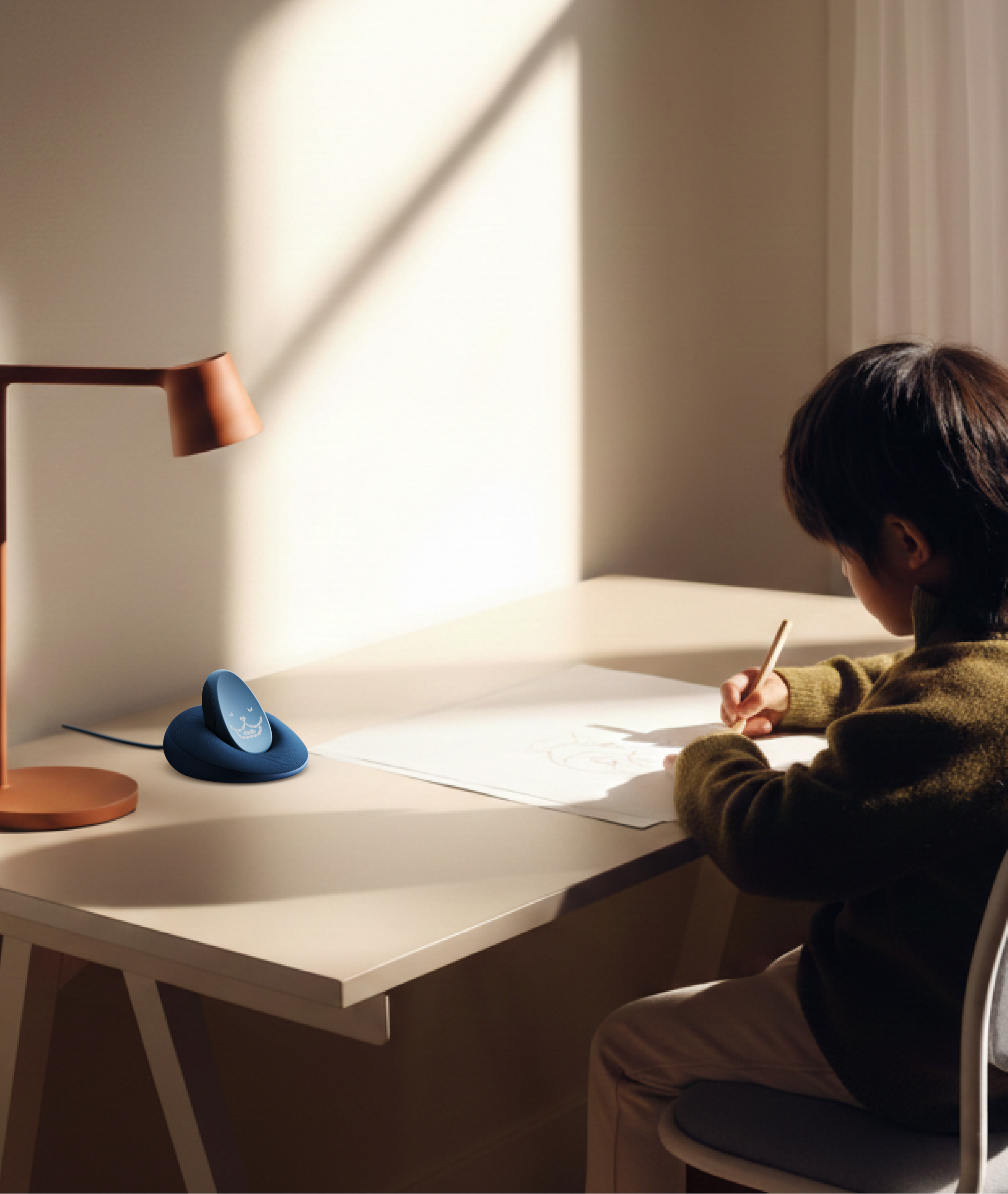
Designed to
Feel Alive
WUF comes with a wireless charging base designed to look like a dog bed.
For a product aimed towards children it’s vital to maintain the immersion and story of WUF as a character.
Connecting Parents to Their Children
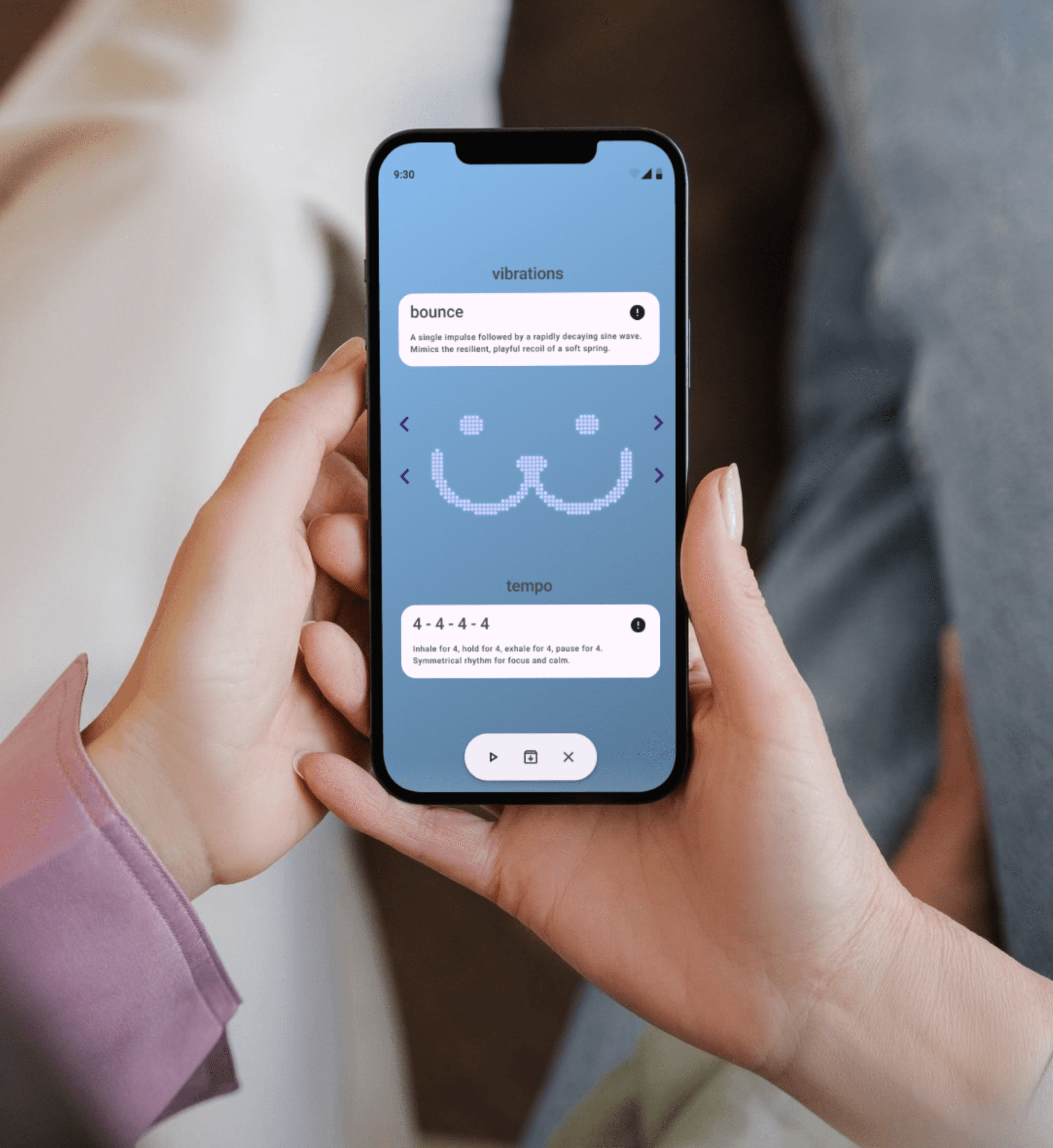
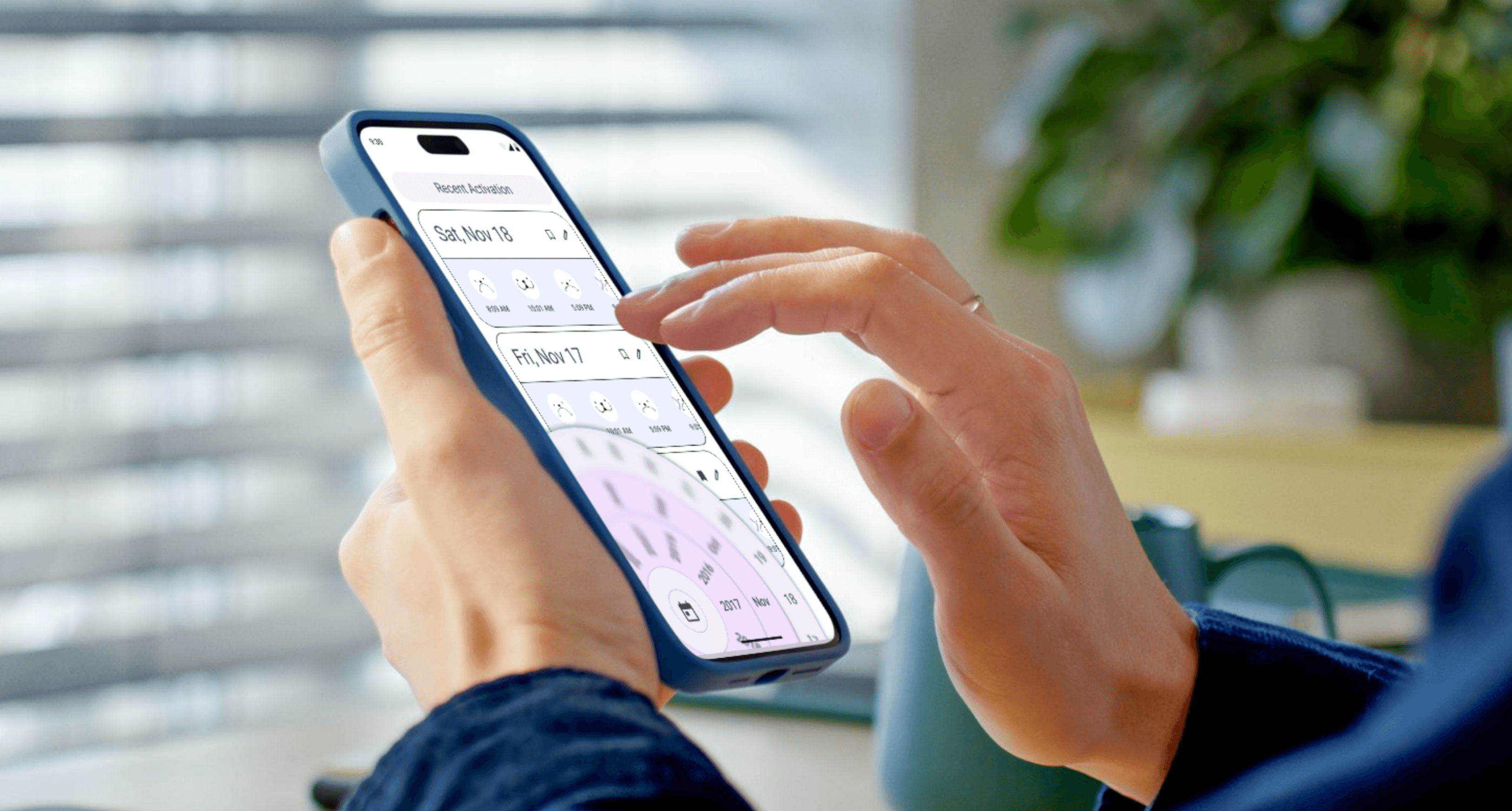
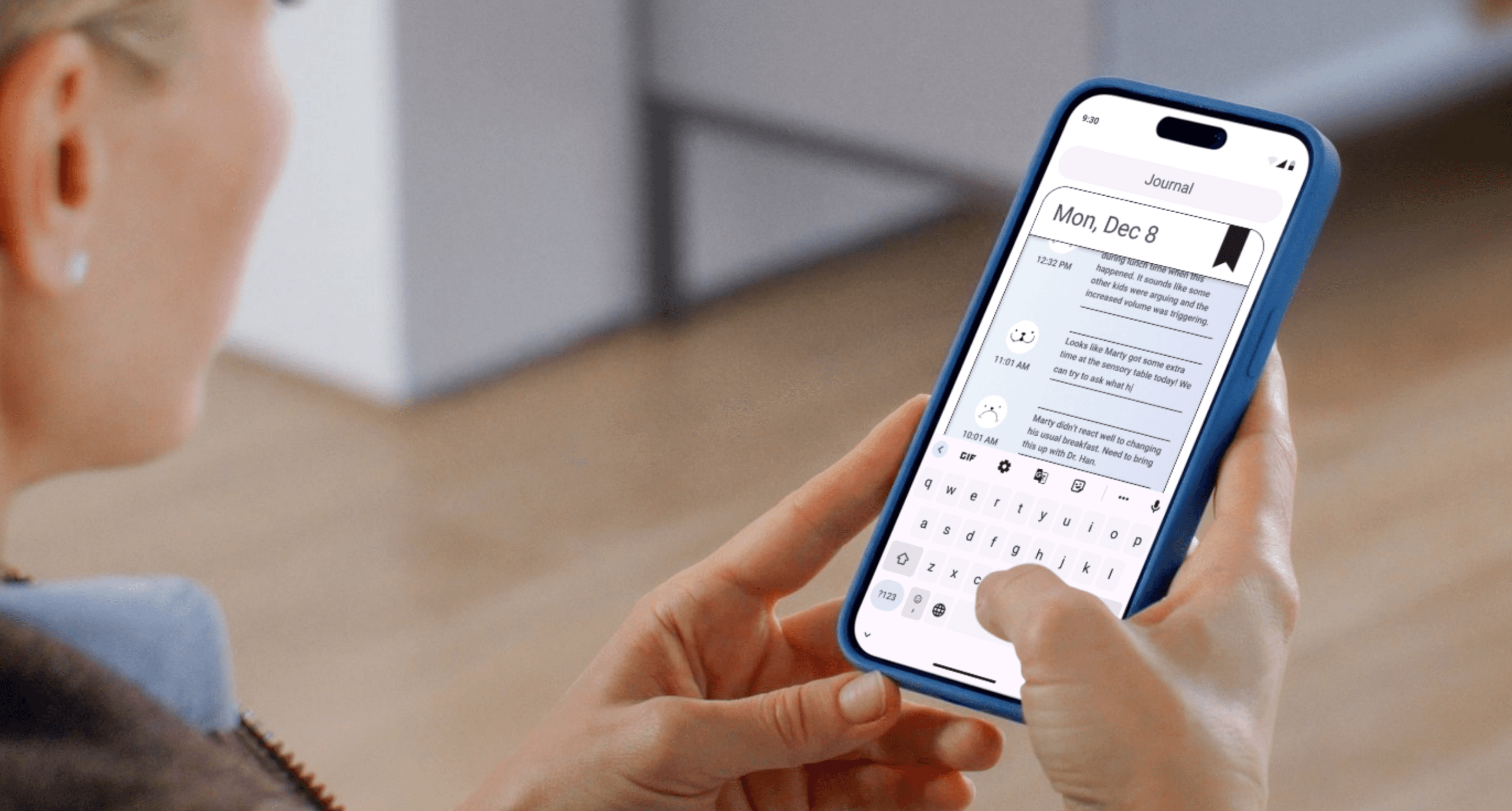
WUF facilitates parent-child communication via a companion app. Its core feature is an automatic usage calendar that logs when the device is activated, alerting parents to moments of emotional dysregulation.
This serves as a gentle prompt for parents to check in, opening the door for conversations about difficult moments and reinforcing the family bond. The app also includes tools for customizing vibration patterns and managing the AI's training data.